
High-quality preservatives should be able to ensure the preservation effect while minimizing damage to the mechanical properties of wood, such as strength and hardness.
By collecting production data and analyzing the causes of quality defects, process parameters or equipment configurations can be optimized in a targeted manner.
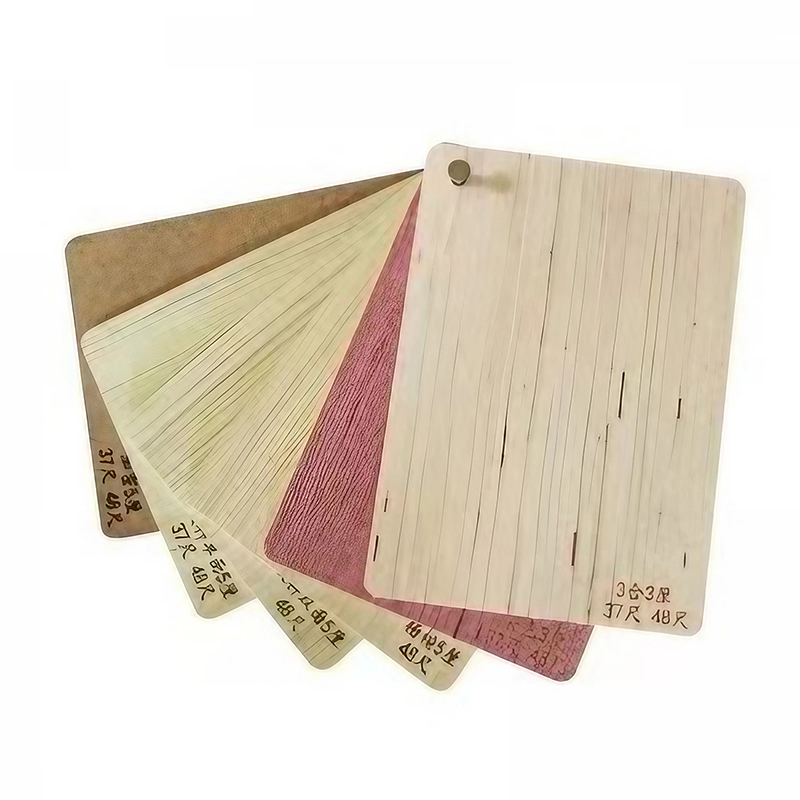
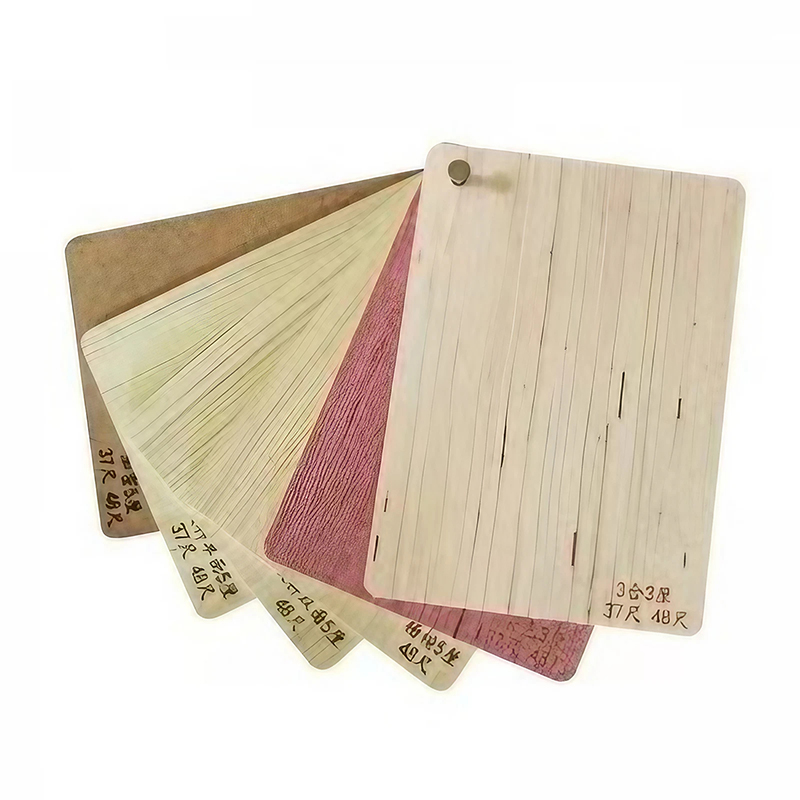
The texture characteristics of poplar board directly determine the selection and optimization direction of its processing technology by affecting its cutting performance, surface quality, mechanical stability and coating adhesion.
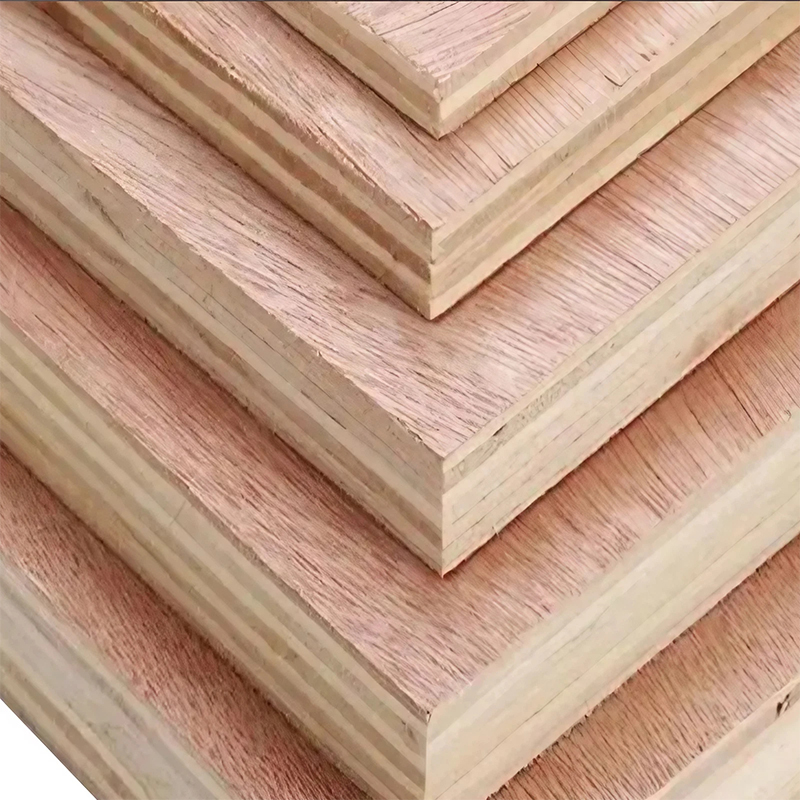
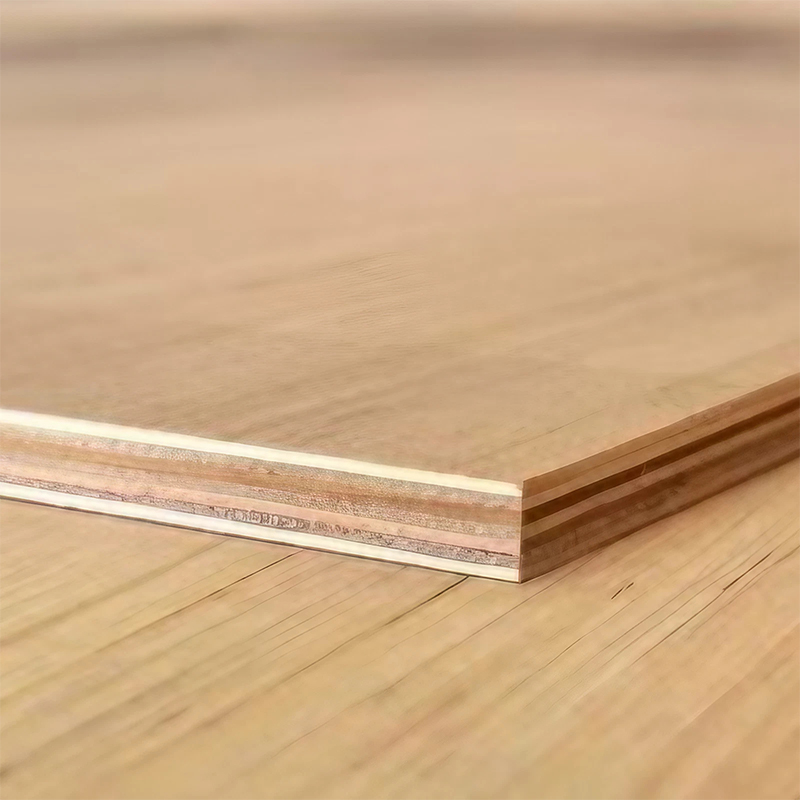
In the production of high-quality poplar board, "no degumming" is not only an aesthetic requirement but also a core guarantee for the structural integrity, durability, and safety of the product.
Regardless of the method used, strict control must be exercised over material selection, processing precision, and gluing quality to ensure a strong and durable joint.
The charm of poplar board lies in its ability to convey sophistication in the simplest language—no intricate patterns, yet exquisite uniformity; no intense colors, yet a pure base; it doesn't rely on rarity, but on craftsmanship.